
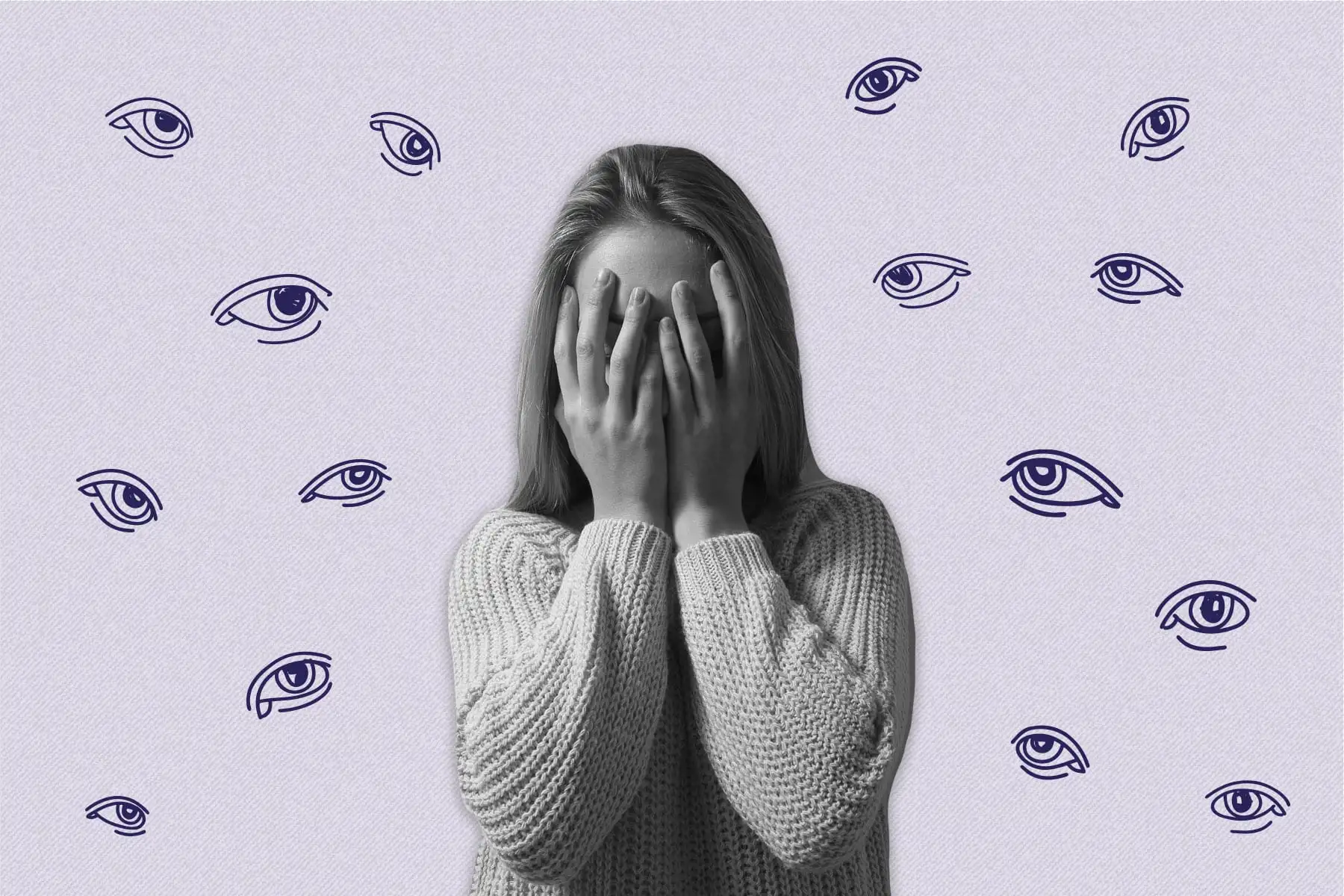
There were times when face masks meant to be particularlyone thing – protection. It protected or shielded us from an invisible anddangerous virus, became a symbol of collective responsibility, especiallyduring pandemic, and quietly transformed the way we moved through the world.But for many people, specifically people with social anxiety, diagnosed or not,the mask became more than public health safety measure, it became apsychological refuge.
As the world slowlyunmasked, many people realized they were not simply removing a piece of fabricfrom their face, removed something that kept them feel confident in public andsocial gatherings. They were exposing parts of themselves they had hidden formany years.
Think about walking into a room full of people after anisolation for a certain period. Conversations felt louder and noisy.Maintaining eye contact became heavier. Smiles seem unfamiliar. Suddenly,simple of act of offering a coffee or attending a meeting become exhausting anddraining – if this sounds familiar, you’re not alone!
Social anxiety is characterized by an intense fear of beingjudged, embarrassed, or negatively evaluated in social situations. Before COVID19 pandemic, many people used to learn to cope up these with their gradualexposure to the public and everyday interactions. The pandemic disrupted thatentire system of exposure. Lockdowns, prolonged isolations, and socialdistancing drastically reduced the opportunities for casual social engagements,leaving many people feeling socially “out of practice”.
Interestingly, face masks introduced a paradox. While theyconcealed facial expressions and protected physical health, they also reducedthe perceived visibility of one's own appearance. For individuals with socialanxiety, this often comes as a temporary relief. Research suggests that socialanxiety was associated with a greater intention to continue wearing masks evenafter pandemic restrictions eased. This relationship was partly explained byavoidance behaviours, impression management, and concerns about self-identity.
Psychologically, masks function as what cognitivebehavioural therapists call a safety behaviour. Safety behaviours are theactions people used to reduce anxiety in feared and triggered situations- notmaintaining eye contact, repeating sentences before conversation, or evensitting nearby exit, are common examples. Sometimes wearing a mask served thesame purpose. It helped to hide the facial features and expressions thatindividuals feared others would judge, creating a temporary sense of emotionaland social safety and security. However, while safety behaviours may reduce thesocial anxiety in the moment, they can involuntarily maintain anxiety over timeby preventing people from discovering their feared outcomes are often unlikely.An exploratory review concluded that mask-wearing may have clinicallymeaningful effects on social anxiety through mechanisms such asself-concealment, difficulty interpreting social cues, and changing socialnorms.
Another challenge emerged after the restrictions werelifted, i.e., social distancing, quarantine, etc. Many individuals describedfeeling anxious and overwhelming about returning to workplaces, classrooms, andsocial gatherings- a phenomenon often referred as ‘re-entry anxiety’. Uncertaintimes and months of limited face to face interaction altered comfort,confidence, and social routines. For some individuals, the outside worldsuddenly turned into very unfamiliar despite once being natural and ordinary.Mental health experts have emphasized that this adjustment period is a normalpsychological response following prolonged disruption and recommend gradualre-engagement rather than forcing immediate social participation.
Lately, research has continued to explore these experiences,showing that reactions to face masks remain closely to the level or intensityof social anxiety even after the height of the COVID 19 pandemic. Thesefindings remind us that the psychological impact of COVID-19 extends far beyondinfection rates and vaccination statistics.
There is another side to this story.
Perhaps, the greatest lesson of the pandemic is not thatpeople became more anxious, but that anxiety becomes more visible and sounder.Conversations and discussions on Mental Health entered to the educationalinstitutions, workplaces, or even homes with an openness which has been rarelyseen earlier. Seeking counselling and psychotherapy is becoming lessstigmatized. Employees and students started discussing on psychologicalwellbeing as equally relevant and valid as physical health. Many people, forthe first time, recognized that struggling socially was not a personal weaknessanymore but a human and natural response to extraordinary circumstances.
Getting out of social anxiety does not mean forcing yourselfinto every crowded room and pretending fear never exists. It means takinggradual and compassionate steps toward reconnecting with people, withexperiences and exposures, and ultimately with yourself. Sometimes that beginswith a small gesture of making an eye contact. Sometimes it is attending asocial gathering or party for 15-30 minutes. Sometimes it is simplyacknowledging “this feels difficult today”.
The masks may have come off, but the emotional experiencesthey concealed deserve our continued attention. As we moved forward, perhaps,the goal is not to return to the pace where and what we were before thepandemic. Instead, it is to become the people and mob and crowd and mass whounderstand the vulnerability, connection and compassion are just as essentialto health as any protective mask ever was.
